The Ura Yakchoe Festival 2027 is a unique spiritual event held in the Ura Valley of Bhutan’s Bumthang district. Its significance centers on a sacred statue of the deity Vajrapani. Legend states this relic miraculously appeared centuries ago, curing a leprosy epidemic and blessing the community.
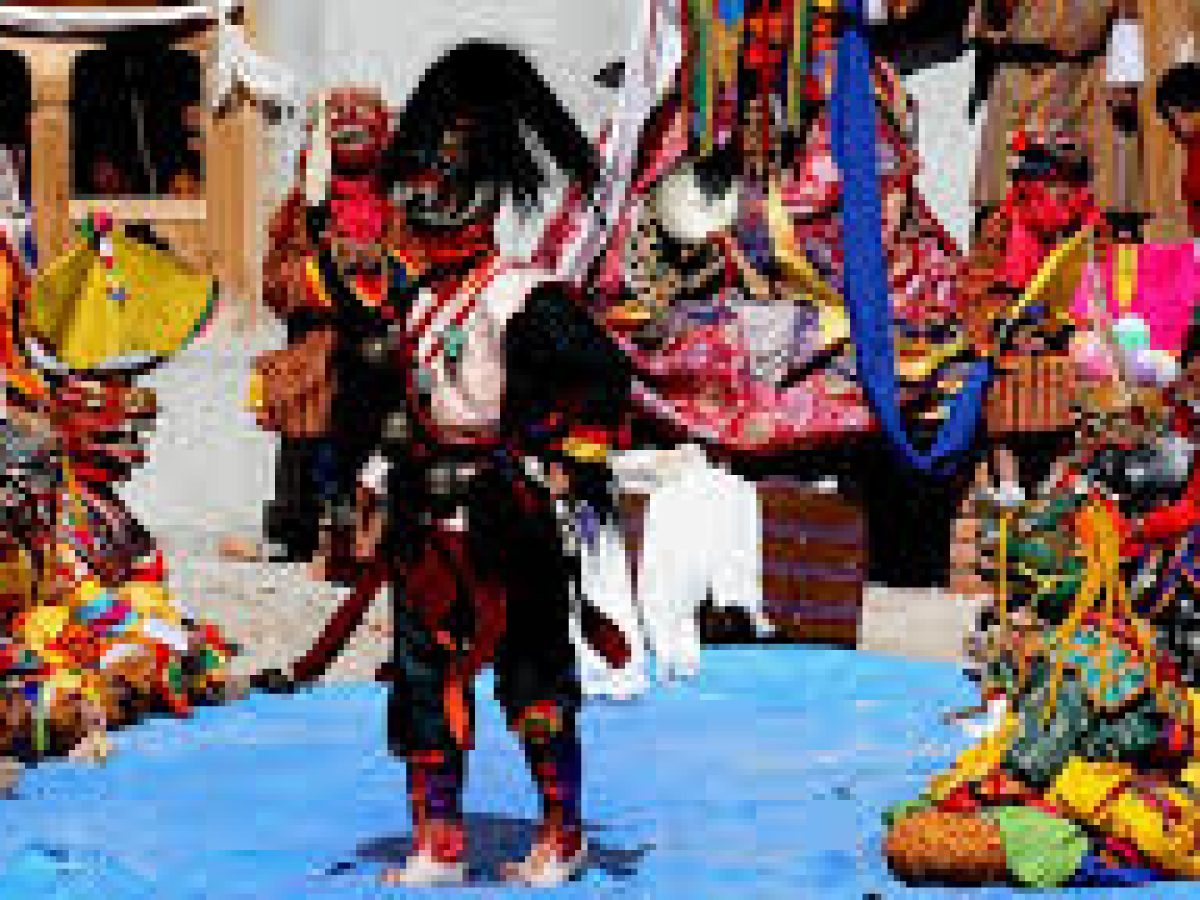
Today, the festival continues this legacy as a vibrant community gathering. It features sacred masked dances and a procession of the revered statue. This event is a profound spiritual experience, offering blessings to all attendees and preserving a powerful piece of Bhutanese heritage.
Location: Ura Village, Bumthang Valley, Bhutan
Dates: 18th – 22nd April 2027
Duration: 5 days
Best days to attend: Final day (Main event – display of the sacred Yakchoe relic)
Festival type: Religious & cultural Buddhist festival
Cham (Sacred Mask Dance): Some of the important Cham performed during Ura Yakchoe festival include Shinje Yab Yum, Zhana, Zhana Nga Cham, Juging, Driging (Sword Dance), Shazam Cham / Shawa Shachi, Durdag, Tungam, Raksha Mangcham, Damitsi, Ging Tsholing, and Nyulema / Zhawri.
Key Programs and Rituals
Thongdrol Display (Massive religious applique of Guru Rinpoche)
Procession of the Relic (Ura Yakchoe)
Changkor (House Visits)
Duegi Tangrab (Ritual for propitiating demons)
Boma Ritual (Fried rice tradition)
Bonpo Ritual (Pre-Buddhist ceremony)
Tenkor (Village Tour)
Historic Landmarks: Explore Bhutan’s grand dzongs, monasteries, and temples while experiencing the cultural backdrop of the Ura Yakchoe Tshechu.
Cultural Immersion: Participate in local customs, meet local people, taste traditional foods, and witness rituals that makes the Ura Yakchoe Festival in Bumthang unforgettable.
Archery & Adventure: Witness archery matches and enjoy hiking trails that showcase the natural beauty surrounding the festival.
Bhutanese farmhouse experience: Stay in a traditional Bhutanese farmhouse to immerse yourself in authentic rural life, enjoying local food, culture and hospitality.
Day 01. Arrival at Paro – Thimphu: Sightseeing (Elevation 2320m | 50km | 1hr.)
Day 02. Thimphu: Sightseeing (Elevation 2320m)
Day 03. Thimphu – Punakha: Sightseeing (Elevation 1200m | 76km | 3hrs.)
Day 04. Punakha – Gangtey: Sightseeing (Elevation 3000m | 73km | 2hrs. 20mins.)
Day 05. Gangtey- Trongsa – Bumthang (Elevation 2800m | 154km | 4hrs. 20mins.)
Day 06. Bumthang – Ura Valley: Attend Ura Yakchoe Festival 2027 (Elevation 2800m | 50km | 1hr. 30mins.)
Day 07. Bumthang – Tang Valley: Excursion to Ogen Choling palace (Elevation 2800m | 45km | 1hr. 45mins.)
Day 08. Bumthang – Paro (Elevation 2280m | 309km | 8hr 15mins.)
Day 09. Paro: Hike to Tiger’s Nest (Elevation 2280m)
Day 10. Paro Departure (Elevation 2280m)
Touch down in Paro! Representative from Bhutan Mystical Tours will receive you in the airport. Drive to Thimphu, the capital city of Bhutan.
On the way see Tamchog Monastery built by Thangthong Gyalpo, the iron bridge builder who came to Bhutan in 1433 looking for Iron Ore. He built 108 bridges across Tibet and Bhutan, out of which 8 were built in Bhutan.
On reaching Thimphu, drive uphill to Kuensel Phodrang where sits a massive sized Statue of Buddha Dordenma. It is made of bronze and is 169 ft. tall. You can get a spectacular view of Thimphu valley from this point.
Next, visit to National Memorial Chorten, a monument dedicated to the Third King of Bhutan, His Majesty King Jigme Dorji Wangchuck.
Later, head to Tashichho Dzong (Fortress), which houses the throne room of the king and the offices of the government.
Overnight in Thimphu
Dive deeper into the Thimphu city. Your day begins with a visit to the National Zoo which where the Takins, Bhutan’s national animal is preserved.
While returning, you may visit to Dupthop Lhakhang which is known to be one of the few surviving nunneries in Bhutan.
Visit the National Library to see a vast collection of ancient texts and scriptures. The library is a treasure trove for those interested in Bhutanese history and culture.
Later visit the National institute for Zorig Choesum (13 traditional arts) the painting School is on your next list. Bhutanese tradition has been preserved through painting and sculptures. Thangkas, the sacred Buddhist religious scrolls are either painted or embroidered on high-quality fabrics.
Walk for a minute to Folk Heritage Museum which offers visitors the Bhutanese folk heritage and craftsmanship of Bhutan’s rural past.
Driving further to the city, visit National Postal Museum, which is worth a visit for you can get your own picture on Bhutanese stamp right then and there. Get a photo clicked then and there or give a photo of your dear ones and you will get personalized stamps in 5 minutes.
Explore Centenary Farmers Market if you’re there on a weekend, this bustling market is a great place to experience local life and try fresh produce.
Overnight in Thimphu
Take a scenic drive to Punakha, En route, stop at the Dochula Pass (3116m) for panoramic views of the magnificent range of the Higher Himalayas.
Visit the Royal Botanical Garden, the Royal Botanical Park, also known as the Rhododendron Garden at Lamperi, located half hour drive towards Punakha/Wangdue valleys.
On reaching Punakha, take a short hike to Chimi Lhakhang, which was built by Lama Drukpa Kuenley also known as “The Divine Madman”, in the year 1499. The Temple is also known as “the Temple of Fertility”.
Visit Punakha Dzong built in 1637 by Zhabdrung Ngawang Namgyal and is situated at the confluence of the Pho Chu (Male River) and the Mo Chu (Female River). War materials captured during the various battles with Tibetans are preserved here. Punakha served as a capital of Bhutan till the year of 1955.
In the evening, walk across the longest suspension bridge in Bhutan (160 m). The bridge is the longest of its kind and connects the two sides of the Pho chu river.
Overnight in Punakha
As you leave Punakha, the road ascends through the picturesque valleys of the Wangdue Phodrang district.
On reaching, visit Gangtey Gompa founded in 1613. It is a Nyingma monastery and is affiliated to other Nyingma monasteries including Tamshing in Bumthang.
Explore the beautiful Gangtey valley, where you will be able to see the rare, Black-Necked Crane, especially during wintertime.
For more information on this magnificent bird, you can also visit the Crane Information center, under the supervision of the Royal Society for the Protection of Nature.
The farmhouse stay in Phobjikha is a wonderful way to immerse yourself in the local culture and enjoy the serene beauty of the valley. It will allow you to experience traditional Bhutanese hospitality with home-cooked meals made from fresh, local ingredients. Spend time with the family, learning about their way of life, participating in farming activities, traditional crafts, or even cooking sessions.
Overnight in Gangtay
After breakfast approach the Pele La Pass, standing at an elevation of 3,390 meters. The pass serves as a natural boundary between the western and central regions of Bhutan.
En route, visit Trongsa Dzong (fortress), the most impressive Dzong in Bhutan. The first two hereditary kings ruled Bhutan from this Dzong.
Just a minute from the fortress, visit Ta Dzong, an ancient watch tower which currently serves as a museum. Drive further to Bumthang.
Overnight in Bumthang
Today, drive to Ura valley to experience the vibrant Ura Yakchoe Tshechu at Ura Lhakhang. Locals gather in colorful traditional attire to perform mask dances, music, and rituals honoring the Yak, a revered figure in Bhutanese folklore.
Overnight in Bumthang
Membar Tsho (“The Burning Lake”): Visit the sacred lake where Terton Pema Lingpa discovered treasures hidden by Guru Rimpoche in the 14th century.
Tang Valley Exploration: Wander through the serene Tang Valley, enjoying picturesque landscapes and local village life.
Ogen Choling Palace Museum: Explore the former noble residence turned museum, preserving Bhutanese heritage, lifestyle, and religious practices.
Bumthang Brewery Visit: Sample locally brewed craft beers and learn about Bhutanese brewing techniques.
Overnight in Bumthang
Today will be the longest drive of your tour as you travel from Bumthang to Paro. The journey passes through beautiful mountain landscapes, forested valleys, and traditional villages, with opportunities to stop along the way for photography and short breaks.
Leisure & Photography: Enjoy free time in Paro town for shopping, photography, or sampling local cuisine.
Overnight in Paro
Taktsang Monastery (Tiger’s Nest): Embark on a scenic trek to this iconic monastery perched on a cliff 900 meters above the Paro Valley.
Bhutanese Cuisine in Nature: After the hike, enjoy a meal amidst the tranquil surroundings, experiencing local flavors in a serene setting.
Rimpung Dzong (“Heap of Jewels”): Later, explore the historic fortress, built in 1646 as the center of administrative and religious authority.
Ta Dzong / National Museum: Visit the ancient watchtower, now a museum showcasing Bhutanese art, history, and cultural artifacts.
Drukgyel Dzong: Discover the fortress built in 1644 to commemorate Bhutanese victories over Tibetan invasions.
Traditional Hot Stone Bath (Optional): Relax and rejuvenate after the hike with a Bhutanese hot stone bath, a unique wellness tradition.
Our guide will drop you at Paro international airport as per your flight schedule. Farewell for your onwards journey.
The cost listed below includes the Sustainable Development Fee (SDF) of US $100 per person per night and the Bhutan visa fee of US $40 per person.
US $ 2,461 per person
No, the Ura Yakchoe Festival is a public, community-organized celebration with no ticketed entry fee. Anyone can walk in and enjoy the sacred mask dances and festive atmosphere for free.
The best time to arrive at Ura Lhakhang is between 8:30 and 9:00 AM. Performances typically begin in the morning, and local villagers arrive early to claim good spots in the monastery courtyard. Getting there early means better views and great photography opportunities before the crowds settle in.
There is no strict dress code for tourists, but modest and respectful clothing is strongly recommended since the festival is held at Ura Lhakhang, a sacred religious site. Avoid shorts, sleeveless tops, and revealing clothing. Make sure your knees are covered, and wear full sleeves if your top has no collar. Remove your shoes before entering the monastery and take off hats as a sign of respect.
Yes, photography is generally allowed at the Ura Yakchoe Festival, but please keep these simple rules in mind:
While the Ura Yakchoe Tshechu Festival runs for 5 days, attending the last 1 to 2 days is generally the best experience, as the energy, performances, and crowd atmosphere are at their peak towards the end. For the overall trip, we recommend a 10-to-11-day tour to comfortably explore Bhutan’s highlights like Paro, Thimphu, Punakha, Trongsa, and the beautiful Bumthang valley itself.
Absolutely! The Ura Yakchoe Festival Bhutan tour can be easily tailored to match your interests and schedule. Since all Bhutan tours are private and guided, adjusting the itinerary is simple. You can extend your trip up to 17 days to explore the remote eastern region of Trashigang, or opt for a shorter 8 to 9 day itinerary focusing on the festival and the key highlights of western Bhutan. Just let us know your preferences and we’ll plan it around you!
Yes, all international tourists visiting Bhutan are required to travel through a licensed tour operator like Bhutan Mystical Tours & Adventures. The Ura Yakchoe Festival takes place in Ura valley, Bumthang: a remote region that requires a certified guide and proper travel permits to access.
A good tour operator will handle everything for you, including:
We strongly recommend booking your Ura Yakchoe Festival 2027 tour at least 4 to 6 months in advance. The festival falls during Bhutan’s busy spring travel season, and things fill up fast. Here’s why early booking matters:
A typical Ura Yakchoe Festival Bhutan tour package includes everything you need for a hassle-free trip:
During the Ura Yakchoe Festival Bhutan tour, travelers typically stay in comfortable 3-star government-approved hotels in the main cities and local guesthouses or traditional farmhouses in the Ura valley. Most rooms are twin-sharing with attached bathrooms and basic modern amenities.
For those who prefer more comfort, 4-star or 5-star hotel arrangements can also be made on request.
Comfortable and well-maintained vehicles are arranged based on your group size, all driven by experienced local drivers who know Bhutan’s mountain roads well:
Visa processing is simple and handled by your tour operator, Bhutan Mystical Tours & Adventures, as part of your booking. Here’s how it works:
A few important notes:
Currently, only two airlines fly to Bhutan: Drukair and Bhutan Airlines. Both operate international flights and land at Paro International Airport, which is Bhutan’s only international airport. For updated routes and schedules, Click here.
The Sustainable Development Fee (SDF) is a mandatory daily fee that every international visitor must pay when traveling to Bhutan. It supports Bhutan’s “High Value, Low Volume” tourism policy, helping protect the country’s rich culture and natural environment.
Here are the key things to know:
The most common way to pay for a Bhutan tour is through an international wire transfer in USD. Here is how it works:
Please Note: Bank transfer charges and fees are not included in the tour cost and are to be borne separately by the traveler.
Yes, discounts may be available depending on your group size and traveler category. While the SDF is fixed by the government, Bhutan Mystical Tours & Adventures may offer reduced rates on the tour package (hotels, transport, and guide). Here is a quick breakdown:
Feel free to get in touch with us to find out the best rate for your group!
