The Nimalung and Kurjey festivals is held at Nimalung Temple & Kurjey Lhakhang in Bumthang. The festival showcases the rich traditions and vibrant celebrations of this Himalayan kingdom. The highlight of the festival is the unfurling of a nine-meter high and twelve meters wide Guru Rinpoche’s Throngdroel. This 10-day Bhutan travel itinerary highlights cultural experiences, must-see landmarks, and valuable travel tips to make the most of your visit.
Location: Nimalung Lhakhang & Kurjey Lhakhang, Bumthang Valley, Bhutan
Dates: 22nd – 24th June 2026
Duration: 3 days
Festival Type: Religious & cultural Buddhist festival
Best Day to Attend: All 3 days (Kurjey Tshechu – main rituals and performances on last day)
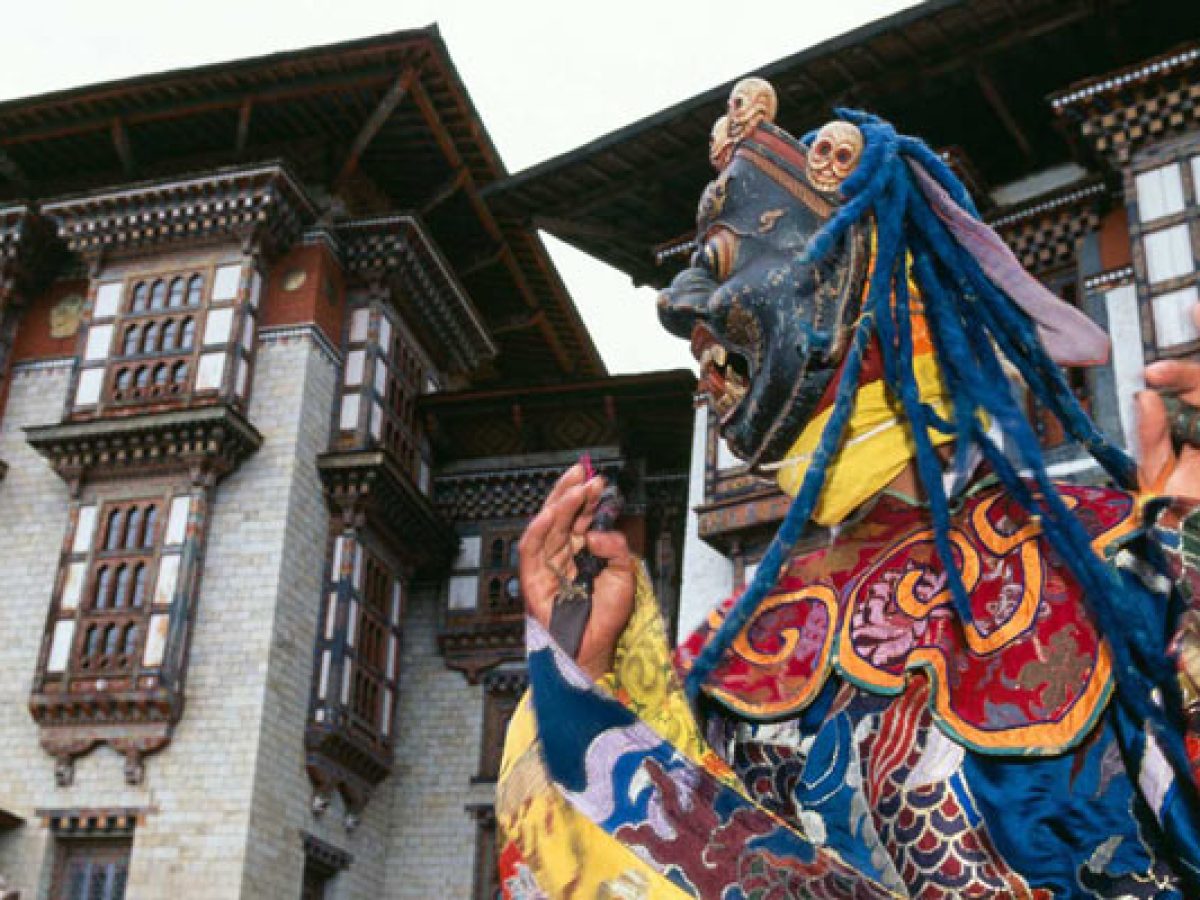
Festival Events: These festivals showcases Cham (mask dances), ancient meditative rituals performed by monks in elaborate costumes. Attendees witness powerful displays like the Guru Tshengye, which brings to life the eight manifestations of Guru Rinpoche, and the rhythmic Drametse Nga Cham (Dance of the Drums). The spiritual climax occurs with the unfurling of a giant Thongdrel, which is a massive sacred tapestry, where a single glimpse is believed to liberate the viewer from sins and bestow profound blessings.
Important Landmarks: Explore Bhutan’s rich history through its grand dzongs, sacred monasteries, and ancient temples, which are architectural marvels and spiritual hubs.
Cultural immersion: Dive deep into Bhutan’s rich heritage by participating in local customs and traditions offering a truly authentic experience of Bhutanese life.
Hiking adventures: Bhutan offers diverse hiking trails, from easy walks to challenging treks, showcasing its untouched natural beauty and spiritual landmarks along the way.
Bhutanese farmhouse experience: Stay in a traditional Bhutanese farmhouse to immerse yourself in authentic rural life, enjoying local food, culture and hospitality.
Day 01. Arrival at Paro – Thimphu (Elevation 2320m | 50km | 1hr.)
Day 02. Thimphu: Sightseeing (Elevation 2320m)
Day 03. Thimphu – Punakha: Sightseeing (Elevation 1200m | 76km | 3hrs.)
Day 04. Punakha – Gangtey: Sightseeing (Elevation 3000m | 73km | 2hrs. 20mins.)
Day 05. Gangtey- Trongsa – Bumthang (Elevation 2800m | 154km | 4hrs. 20mins.)
Day 06. Bumthang: Attend Nimalung Festival (Elevation 2800m)
Day 07. Bumthang: Attend Nimalung Festival (Elevation 2800m)
Day 08: Bumthang: Attend Kurjey Festival (Elevation 2800m)
Day 09: Bumthang – Paro: (Elevation 2280m | 309km | 8hrs. 15mins.)
Day 10. Paro: Hike to Tiger’s Nest (Elevation 2280m)
Day 11. Paro Departure (Elevation 2280m)
Touch down in Paro! Representative from Bhutan Mystical Tours will receive you in the airport.
Drive to Thimphu, the capital city of Bhutan. On the way see Tamchog Monastery built by Thangthong Gyalpo, the iron bridge builder who came to Bhutan in 1433 looking for Iron Ore. He built 108 bridges across Tibet and Bhutan, out of which 8 were built in Bhutan.
On reaching Thimphu, drive uphill to Kuensel Phodrang where sits a massive sized Statue of Buddha Dordenma. It is made of bronze and is 169 ft. tall. You can get a spectacular view of Thimphu valley from this point.
Next, visit to National Memorial Chorten, a monument dedicated to the Third King of Bhutan, His Majesty King Jigme Dorji Wangchuck.
Later, head to Tashichho Dzong (Fortress), which houses the throne room of the king and the offices of the government.
Overnight in Thimphu
Today dive deeper into the Thimphu city by a visit to the National Zoo which where the Takins, Bhutan’s national animal is preserved.
While returning, you may visit to Dupthop Lhakhang which is known to be one of the few surviving nunneries in Bhutan.
Visit the National Library to see a vast collection of ancient texts and scriptures. The library is a treasure trove for those interested in Bhutanese history and culture.
Later visit the National institute for Zorig Choesum (13 traditional arts) the painting School is on your next list. Bhutanese tradition has been preserved through painting and sculptures. Thangkas, the sacred Buddhist religious scrolls are either painted or embroidered on high-quality fabrics.
Walk for a minute to Folk Heritage Museum which offers visitors the Bhutanese folk heritage and craftsmanship of Bhutan’s rural past.
Driving further to the city, visit National Postal Museum, which is worth a visit for you can get your own picture on Bhutanese stamp right then and there. Get a photo clicked then and there or give a photo of your dear ones and you will get personalized stamps in 5 minutes.
Explore Centenary Farmers Market if you’re there on a weekend, this bustling market is a great place to experience local life and try fresh produce.
Overnight in Thimphu
Take a scenic drive to Punakha, En route, stop at the Dochula Pass (3116m) for panoramic views of the magnificent range of the Higher Himalayas.
Visit the Royal Botanical Garden, the Royal Botanical Park, also known as the Rhododendron Garden at Lamperi, located half hour drive towards Punakha/Wangdue valleys.
On reaching Punakha, take a short hike to Chimi Lhakhang, which was built by Lama Drukpa Kuenley also known as “The Divine Madman”, in the year 1499. The Temple is also known as “the Temple of Fertility”.
Visit Punakha Dzong built in 1637 by Zhabdrung Ngawang Namgyal and is situated at the confluence of the Pho Chu (Male River) and the Mo Chu (Female River). War materials captured during the various battles with Tibetans are preserved here. Punakha served as a capital of Bhutan till the year of 1955.
In the evening, walk across the longest suspension bridge in Bhutan (160 m). The bridge is the longest of its kind and connects the two sides of the Pho chu river. You will get a great view of the river, valley, temple, and a good boost of adrenaline as well.
Overnight in Punakha
On reaching, visit Gangtey Gompa founded in 1613. It is a Nyingma monastery and is affiliated to other Nyingma monasteries including Tamshing in Bumthang.
Explore the beautiful Phobjikha valley, where you will be able to see the rare, Black-Necked Crane, especially during wintertime. For more information on this magnificent bird, you can also visit the Crane Information center, under the supervision of the Royal Society for the Protection of Nature.
The farmhouse stay in Phobjikha is a wonderful way to immerse yourself in the local culture and enjoy the serene beauty of the valley. It will allow you to experience traditional Bhutanese hospitality with home-cooked meals made from fresh, local ingredients. Spend time with the family, learning about their way of life, participating in farming activities, traditional crafts, or even cooking sessions.
Overnight in Gangtey
After breakfast approach the Pele La Pass, standing at an elevation of 3,390 meters. The pass serves as a natural boundary between the western and central regions of Bhutan.
En route, visit Trongsa Dzong (fortress), the most impressive Dzong in Bhutan. The first two hereditary kings ruled Bhutan from this Dzong.
Just a minute from the fortress, visit Ta Dzong, an ancient watch tower which currently serves as a museum. Drive further to Bumthang.
Overnight in Bumthang
Your day begins with a visit to the Nimalung Temple to witness the festival. The monastery, home to around 100 monks is especially noted for its talented musicians and its large thangka. Today the program includes:
Sha Tsam (Dance of the Four Stags): A powerful performance depicting the victory over destructive spirits.
Pacham (Dance of the Heroes): A maskless dance featuring yellow skirts and golden crowns, meant to bestow blessings.
Later, visit to Jakar Dzong, or “Castle of the White Bird”. Explore its serene courtyards, beautiful murals, and impressive architecture while soaking in breathtaking views of the surrounding valleys.
Few kilometers away is Jambay Lhakhang, which is believed to have been built in the 7th century by the Tibetan king Songtsen Gampo. This temple is renowned for its sacred relics and hosts the famous Jambay Lhakhang Drup, a vibrant festival featuring traditional dances and rituals.
In the evening, free to stroll in the town and interact with friendly locals.
Overnight in Bumthang
Drive to the festival spot and witness the mask dances performed by local monks. Today you will have a chance to witness the following programs:
Shana (Black Hat Dance): A powerful purification ritual performed by monks to drive away evil spirits and prepare the ground.
Shana Nga Cham (Black Hat Dance with Drums): A rhythmic variation of the Shana dance featuring 21 dancers with drums to celebrate the victory of Buddhism.
Pholay Molay (Dance of the Noblemen and the Ladies): A popular moral play and costume dance that combines humor with lessons on fidelity and Buddhist values.
Drametse Nga Cham (Drum Dance of Drametse): A world-renowned, UNESCO-recognized dance where performers in animal masks beat drums to represent celestial joy.
Shawo Shachi (Dance of the Stag and the Hounds): A dramatic storytelling dance depicting the conversion of a hunter to Buddhism by the saint Milarepa.
Later, visit to Membar Tsho, which literally means, “The Burning Lake”. It was here that the Terton Pema Lingpa discovered the treasures hidden by Guru Rimpoche in the 14th century.
Few minutes away, visit Tamshing Lhakhang, a significant monastery founded by Pema Lingpa, one of Bhutan’s most revered saints. It is known for its ancient relics and beautiful wall paintings that depict various deities and scenes from Buddhist lore.
In the evening, for those looking to taste something unique, the Bumthang Brewery is a must-visit. Known for its locally brewed craft beers, including the popular Bhutanese wheat beer, visitors can enjoy a tour of the brewery and sample a variety of brews while learning about the brewing process and the ingredients used.
Overnight in Bumthang
Drive to the festival spot at Kurjey Lhakhang. a sacred site that houses the body imprint of Guru Rinpoche, who is credited with bringing Buddhism to Bhutan. The complex includes three temples, with the oldest dating back to 1652. Today the event will feature scared rituals and dances like:
Guru Tshengye Thongdrel: The early morning unfurling of a giant 50-foot silk tapestry depicting the eight manifestations of Guru Rinpoche to cleanse sins.
Shinjay Cham (Dance of the Lord of Death): A protective ritual dance performed by monks to symbolize the victory of good over evil forces.
Guru Tshengye Cham: A centerpiece performance featuring the eight different forms assumed by Guru Rinpoche to bring Buddhism to the Himalayas.
Ging Dang Tsoling Cham: A dynamic dance representing the purification of the festival ground by celestial deities and guardians.
Durdag Cham (Dance of the Lords of the Cremation Grounds): A skeletal masked dance that serves as a reminder of the impermanence of life.
Shelging Karpo Rituals: Specific prayers and ceremonies dedicated to subduing the local deity of Bumthang, as once performed by Guru Rinpoche.
Cultural Celebration: A grand social gathering where the people of Choekhor valley receive blessings and enjoy traditional Bhutanese hospitality.
Overnight in Bumthang
Drive to Paro and stop for photography along the way.
In the evening, free to stroll in the town for leisure and photography.
Overnight in Paro
Dedicate your final day to a delightful excursion to the Tiger’s Nest, locally known as Taktsang Monastery. Reaching Takshang Monastery is as much an adventure as the destination itself. The journey typically begins in the town of Paro, where visitors can embark on a trek that takes them through lush pine forests and past cascading waterfalls. The trail to the monastery is approximately 6 kilometers round trip, with a steep ascent that can take anywhere from 2 to 4 hours, depending on one’s pace and physical condition. The hike is challenging but incredibly rewarding.
On returning to the base, a Bhutanese cuisine experience in the woods is a celebration of both food and nature. It offers a unique way to engage with Bhutan’s rich culinary traditions while
surrounded by the tranquility and beauty of the natural world.
At the end of the day, we recommend you have a Traditional hot stone bath to get relaxed after a tiring day. It is not only practiced as a comforting leisure but also to treat various diseases. You can stroll down the Paro town where you can always find Bhutanese authentic handicrafts which can be good souvenirs and remembrances of this exotic and serene Himalayan Kingdom ‘Bhutan’.
Overnight in Paro
Our guide will drop you at Paro international airport as per your flight schedule. Farewell for your onwards journey.
The cost listed below includes the Sustainable Development Fee (SDF) of US $100 per person per night and the Bhutan visa fee of US $40 per person.
US $ 2,730 per person
Kurjey Tshechu 2026 is a major cultural festival held at Kurjey Lhakhang in Bumthang. It features sacred mask dances, spiritual rituals, and Bhutanese traditions that attract travelers from around the world.
Nimalung Tshechu 2026 is held from 22nd – 24th June 2026 in Nimalung Dratshang, Chumi, Bumthang.
While Kurjey Tshechu 2026 is held on 24th of June 2026 at Kurjey Lhakhang, Choekhor, Bumthang.
Yes, photography is allowed at Kurjey Tshechu 2026 and Nimalung Festivals, but it is important to respect local customs and follow guidance from monks and festival organizers to avoid disturbing sacred rituals.
To experience Kurjey Tshechu 2026 and Nimalung Festivals, plan your itinerary with a certified Bhutan tour operator like Bhutan Mystical Tours. Booking in advance ensures accommodation, local guides, and seamless participation in the festival activities.
The visa fee for Bhutan is USD 40 per person per trip. This fee is applicable to all nationalities, except for citizens of India, who do not require a visa to visit Bhutan.
Bhutan Mystical will book and ticket your flights to and from Paro with Drukair (Royal Bhutan Airlines) or Bhutan Airlines. As your tour operator, we will manage all aspects of your Paro flights, including notifying you of any changes to flight schedules. Since flight timings can change at short notice, we will keep you informed.
Drukair
Drukair Official Website
Bhutan Airlines
Bhutan Airlines Official Website
For peak tourist seasons—March, April, May, September, October and November—it’s best to book your trip at least 6 months or early in advance. If you’re planning to visit during the off-peak months of June, July, August or December through February, booking 3 months ahead is generally recommended.
Yes, most of our travelers visit Bhutan on private tours, choosing their own dates and trip duration. While Bhutan does allow independent travel, we strongly recommend using a guide, driver and private vehicle throughout your stay to ensure a smoother and more informative experience.
You can exchange the following currencies at the Bank of Bhutan and Bhutan National Bank:
• US Dollar
• Euro
• British Pound
• Japanese Yen
• Swiss Franc
• Hong Kong Dollar
• Canadian Dollar
• Australian Dollar
• Singapore Dollar
• Danish Krone
• Norwegian Krone
• Swedish Krone
Visitors can enjoy Bhutanese mask dances, local music, spiritual rituals, traditional archery competitions, and authentic interactions with locals during Kurjey Tshechu 2026 and Nimalung Tshechu 2026.
