The Paro Tshechu Festival 2027, held from 18th to 22nd March, is not just another festival on the calendar. It is one of the best ways to understand Bhutan’s spiritual heart. Held inside the historic courtyards of Rinpung Dzong, the event draws thousands of locals who come for faith, tradition, and community. While Paro Tshechu is famous for its colorful mask dances, the most powerful moment happens early in the morning, when the 400-year-old Guru Thangka (Thongdrel) is unfurled and blessings are believed to be passed to everyone present. The festival honors Guru Padmasambhava, the Buddhist master who brought Vajrayana Buddhism to Bhutan in the 8th century.
Traveling with Bhutan Mystical Tours means you do not just watch from the sidelines. You move through the crowds, see locals in their finest dress, and witness important dances like the Black Hat Dance and the intense Dance of the Lord of Death up close. The journey goes beyond the festival, balancing the energy of Paro Tshechu with quieter moments such as the hike to Tiger’s Nest Monastery, Buddha Dordenma Statue in Thimphu, and a visit to the majestic Punakha Dzong, creating a deeper and more complete experience of Bhutan.
Dates: March 18th to 22nd, 2027
Duration: 5 days
Location: Rinpung Dzong, Paro, Bhutan
Festival Type: Religious and cultural Buddhist festival
Best Days to Attend: Last three days, with the main highlight on the final day featuring the sacred Thongdrel unfurling
Jambay Lhakhang Drup Festival. Thimphu Tshechu Festival. Rhododendron Festival Bhutan. Haa Tshechu Festival. Punakha Tshechu Festival. Tamshing Tshechu Festival. Tharpaling Thongdrol Festival. Wangdue Tshechu Festival. Chorten Kora Festival. Talo Tshechu Festival. Chhukha Tshechu Festival. Jakar Tshechu Festival. Nalakhar Tshechu Festival. Black Necked Crane Festival
Planning a trip for the Paro Tshechu Festival 2027 requires attention to specific seasonal regulations. To ensure a seamless journey, keep these essential logistics in mind:
Sustainable Development Fee (SDF): Since September 1, 2023, the mandatory SDF for international tourists is US $100 per person, per night. This fee is a direct contribution to Bhutan’s social welfare and conservation efforts.
Visa & Permits: All visitors (except those from India, Bangladesh, and Maldives) require a visa, which costs US $40. At Bhutan Mystical, we process this for you as part of your festival package.
Booking Timeline: Due to high demand for the 2027 spring season, we recommend finalizing your flight and hotel bookings at least 4–5 months in advance.
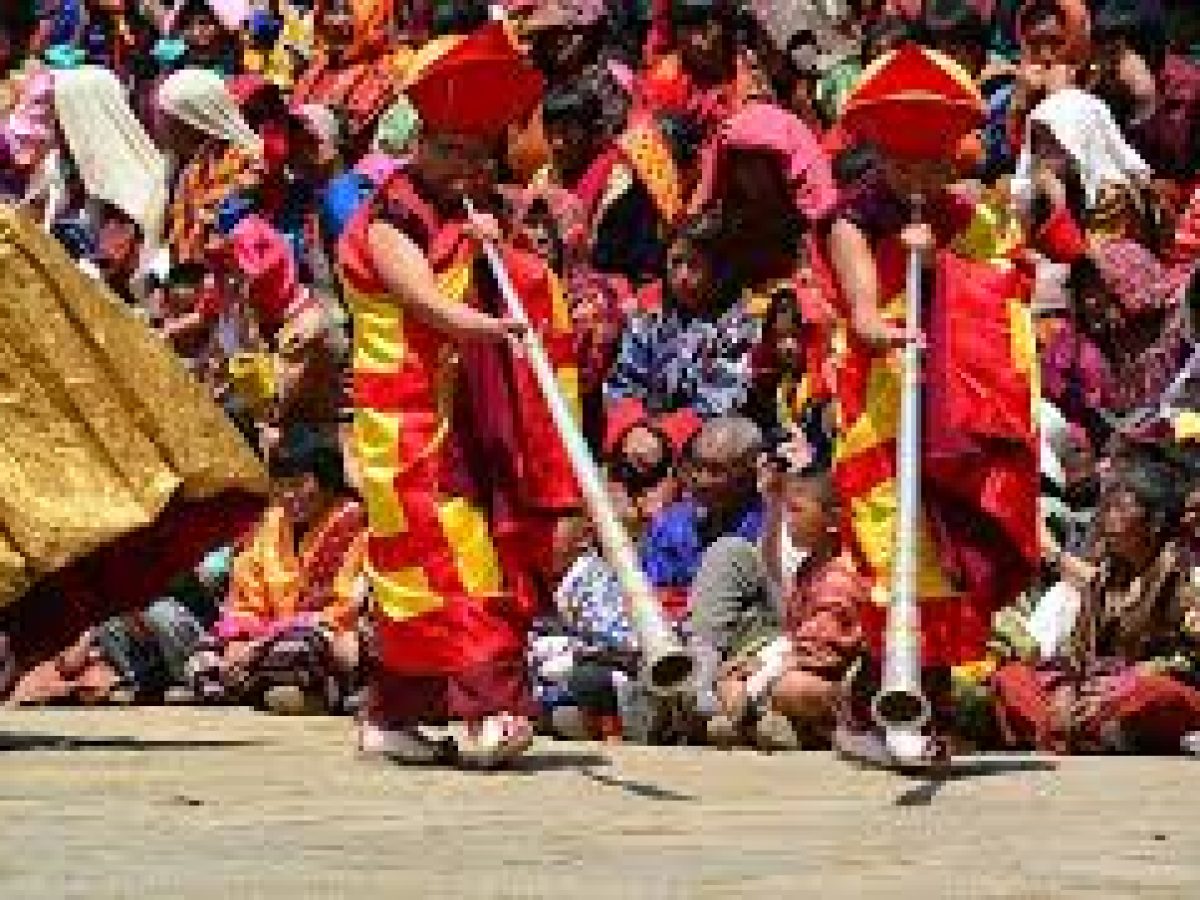
The Paro Tshechu Festival features a series of sacred Vajrayana Buddhist masked dances (Cham) performed by monks and lay performers, symbolizing the victory of good over evil and spiritual purification.
Key dances include:
Alongside the sacred Cham dances, the festival includes deeply symbolic rituals and cultural performances:
Meet Locals: Engage with warm and welcoming Bhutanese people and learn about their daily life and customs.
Exciting Activities: Witness traditional archery matches, enjoy guided hikes, and explore museums showcasing Bhutan’s rich cultural heritage.
Day 01. Arrival at Paro – Thimphu | Elevation 2320m | 54km | 1hr. |
Day 02. Thimphu sightseeing | Elevation 2320m |
Day 03. Thimphu – Punakha | Elevation 1200m | 76km | 3hrs. |
Day 04. Punakha – Gangtey | Elevation 3000m | 73km | 2hrs. 20mins. |
Day 05. Gangtey – Thimphu | Elevation 2320m | 124km | 3hrs. 30mins. |
Day 06. Thimphu – Paro: Paro Tshechu Festival 2027 | Elevation 2280m | 54km | 1hr. |
Day 07. Paro: Paro Tshechu Festival 2027 | Elevation 2280m |
Day 08. Paro: Paro Tshechu Festival 2027 & Excursion | Elevation 2280m |
Day 09. Paro Sightseeing – Hike |Elevation 2280m |
Day 10. Paro Departure | Elevation 2280 |
Arrival at Paro! Representative from Bhutan Mystical Tours will receive you in the airport. Drive to Thimphu, the capital city of Bhutan.
On the way see Tamchog Monastery built by Thangthong Gyalpo, the iron bridge builder who came to Bhutan in 1433 looking for Iron Ore. He built 108 bridges across Tibet and Bhutan, out of which 8 were built in Bhutan.
On reaching Thimphu, drive uphill to Kuensel Phodrang where sits a massive sized statue of Buddha Dordenma. It is made of bronze and is 169 ft. in tall. You can get a spectacular view of Thimphu valley from this point.
Next, visit to National Memorial Chorten, a monument dedicated to the Third King of Bhutan, His Majesty King Jigme Dorji Wangchuck.
Later, head to Tashichho Dzong (Fortress), which houses the throne room of the king and the offices of the government.
Overnight in Thimphu
Today your day begins with a visit to the National Zoo which where the Takins, Bhutan’s national animal is preserved.
While returning, you may visit to Dupthop Lhakhang which is known to be one of the few surviving nunneries in Bhutan.
Visit the National Library to see a vast collection of ancient texts and scriptures. The library is a treasure trove for those interested in Bhutanese history and culture.
Later visit to the National institute for Zorig Choesum (13 traditional arts) the painting School is on your next list. Bhutanese tradition has been preserved through painting and sculptures. Thangkas, the sacred Buddhist religious scrolls are either painted or embroidered on high-quality fabrics.
Walk for a minute to Folk Heritage Museum which offers visitors the Bhutanese folk heritage and craftsmanship of Bhutan’s rural past.
Driving further to the city, visit National Postal Museum, which is worth a visit for you can get your own picture on Bhutanese stamp right then and there. Get a photo clicked then and there or give a photo of your dear ones and you will get personalized stamps in 5 minutes.
Explore Centenary Farmers Market if you’re there on a weekend, this bustling market is a great place to experience local life and try fresh produce.
Overnight in Thimphu
Take a scenic drive to Punakha, En route, stop at the Dochula Pass (3116m) for panoramic views of the magnificent range of the Higher Himalayas.
Visit the Royal Botanical Garden, the Royal Botanical Park, also known as the Rhododendron Garden at Lamperi, located half hour drive towards Punakha/Wangdue valleys.
On reaching Punakha, take a short hike to Chimi Lhakhang, which was built by Lama Drukpa Kuenley also known as “The Divine Madman”, in the year 1499. The Temple is also known as “the Temple of Fertility”.
Visit Punakha Dzong built in 1637 by Zhabdrung Ngawang Namgyal and is situated at the confluence of the Pho Chu (Male River) and the Mo Chu (Female River). For many years until the time of the second king, it served as the seat of the Government. War materials captured during the various battles with Tibetans are preserved here. Punakha served as a capital of Bhutan till the year of 1955.
Later, a short excursion to Khamsung Yulley Namgyal Choling Monastery. The hike offers not just a spiritual retreat but also an exhilarating hiking experience. Hiking level is moderate, making it suitable for families and casual trekkers.
Overnight in Punakha
As you leave Punakha, the road ascends through the picturesque valleys of the Wangdue Phodrang district.
On reaching, visit Gangtey Gompa founded in 1613. It is a Nyingma monastery and is affiliated to other Nyingma monasteries including Tamshing in Bumthang.
Explore the beautiful Phobjikha valley, where you will be able to see the rare, Black-Necked Crane, especially during wintertime. For more information on this magnificent bird, you can also visit the Crane Information center, under the supervision of the Royal Society for the Protection of Nature.
The farmhouse stay in Phobjikha is a wonderful way to immerse yourself in the local culture and enjoy the serene beauty of the valley. It will allow you to experience traditional Bhutanese hospitality with home-cooked meals made from fresh, local ingredients. Spend time with the family, learning about their way of life, participating in farming activities, traditional crafts, or even cooking sessions.
Overnight in Gangtay
Drive back to Thimphu. Visit Simply Bhutan, a welcome drink of local brewery “Ara” and an authentic Bhutanese cuisine for lunch. In the evening, free to stroll in the town.
Overnight in Thimphu
Drive to Paro early and attend the first day of the Paro Tshechu Festival 2026 at Rinpung Dzong. Witness vibrant mask dances and learn about the festival’s spiritual significance.
Overnight in Paro
Return to the festival grounds to watch the second day of celebrations. Enjoy the famous Zhana Cham dance.
Participate in community activities, including traditional games and food stalls. Try Bhutanese dishes like ema datshi (cheese and chili) and Momo (dumplings).
Later in the evening, relax at your hotel or join a cultural workshop in Paro, such as a cooking class or traditional music session.
Overnight in Paro
On your last day of Paro Tshechu Festival 2026, drive to the festival ground in the morning.
Later after the lunch, an excursion to the Chele La pass (3988m) to enjoy the spectacular view of Himalayas including mount Jomolhari. Return to Paro.
Overnight in Paro
Dedicate your final day to a delightful excursion to the Tiger’s Nest, locally known as Taktsang Monastery. Reaching Takshang Monastery is as much an adventure as the destination itself. The hike is challenging but incredibly rewarding.
On returning to the base, a Bhutanese cuisine experience in the woods is a celebration of both food and nature. It offers a unique way to engage with Bhutan’s rich culinary traditions while
surrounded by the tranquility and beauty of the natural world.
At the end of the day, we recommend you have a Traditional hot stone bath to get relaxed after a tiring day. It is not only practiced as a comforting leisure but also to treat various diseases.
You can stroll down the Paro town where you can always find Bhutanese authentic handicrafts which can be good souvenirs and remembrances of this exotic and serene Himalayan Kingdom ‘Bhutan’.
Overnight in Paro
Our guide will drop you at Paro international airport as per your flight schedule. Farewell for your onwards journey.
The cost listed below includes the Sustainable Development Fee (SDF) of US $100 per person per night and the Bhutan visa fee of US $40 per person.
US $ 2,371 per person
The best time to watch the main dances and take photos is in the morning, from 7:00 AM to 11:00 AM, when the weather is cooler and the light is ideal.
No, you do not need tickets to attend Paro Tshechu festival 2027.
Wear modest clothing that covers your shoulders and knees, and choose comfortable shoes. Remember to stay respectful during performances and avoid blocking views or entering sacred areas.
Absolutely! The Paro Tshechu Festival 2027 is a photographer’s paradise. From vibrant mask dances (Cham dances) to the grand Thongdrol unveiling, there are countless photo opportunities that capture Bhutanese culture and spirituality.
Tips for Photography:
Respect monks and attendees; avoid using flash during rituals.
Capture wide shots of Rinpung Dzong with the festival crowd for context.
Early mornings and late afternoons provide the best natural light for outdoor shots.
Bring a zoom lens for detailed shots of intricate masks and thangka art.
Highlight Shots: Include images of traditional costumes, ceremonial dances, and the massive Thongdrel in Paro festival to make your photography stand out.
Visiting the festival with photography in mind ensures you can document the essence of Bhutanese heritage while being mindful of local customs.
The visa fee for Bhutan is USD 40 per person per trip. This fee is applicable to all nationalities, except for citizens of India, who do not require a visa to visit Bhutan.
Bhutan Mystical will book and ticket your flights to and from Paro with Drukair (Royal Bhutan Airlines) or Bhutan Airlines. As your tour operator, we will manage all aspects of your Paro flights, including notifying you of any changes to flight schedules. Since flight timings can change at short notice, we will keep you informed.
Drukair
Drukair Official Website
Bhutan Airlines
Bhutan Airlines Official Website
It’s highly recommended to book your Paro Tshechu Festival 2026 tour at least 6 months in advance to secure accommodation, permits, and guided tours.
Late Booking: Bhutan Mystical Tours may still accommodate late bookings, but availability for hotels and festival access could be limited.
Tips: Confirm your flights, Bhutan visa, and festival packages early to ensure a smooth and hassle-free experience.
Yes, most of our travelers visit Bhutan on private tours, choosing their own dates and trip duration. While Bhutan does allow independent travel, we strongly recommend using a guide, driver and private vehicle throughout your stay to ensure a smoother and more informative experience.
You can exchange the following currencies at the Bank of Bhutan and Bhutan National Bank:
• US Dollar
• Euro
• British Pound
• Japanese Yen
• Swiss Franc
• Hong Kong Dollar
• Canadian Dollar
• Australian Dollar
• Singapore Dollar
• Danish Krone
• Norwegian Krone
• Swedish Krone
Yes! The Paro Tshechu Festival 2027 is family-friendly. Kids can enjoy colorful Cham dances, traditional games, and local snacks like momos.
Tips: Arrive early for a good view, bring water and sun protection, and explain the rituals’ significance to make the experience meaningful.
The main masked dances and public festivities generally begin around 8:00–9:00 AM. For the best viewing spots, it’s recommended to arrive by 7:30–8:00 AM.
Standing near the edges provides clearer views and easier movement during busy hours. Arrive early to get a good spot in the Rinpung Dzong courtyard.
For an ideal experience, 5 – 7 days cover the festival itself, 7 days is standard to include Paro and Punakha highlights, and 7–9 days allow for a deeper cultural immersion.
