Thimphu, the capital city of Bhutan, is a captivating blend of tradition and modernity. Among the top attractions in Thimphu 2026, visitors can explore iconic sites like the Buddha Dordenma, Memorial Chorten, Tashichho Dzong, and the Centenary Farmer’s Market. This vibrant city, just an hour from Paro International Airport, reflects Bhutan’s rich heritage while embracing contemporary life. For those seeking places to visit in Thimphu, its distinctive Bhutanese architecture, cultural landmarks, and lively markets offer unforgettable experiences. Thimphu’s scenic landscapes and deep-rooted traditions make it a must-visit destination for travelers in 2026.
Location: Western Bhutan
Elevation: 2,320m
Popular local events: Thimphu Tshechu Festival & Thimphu Drubchen Festival
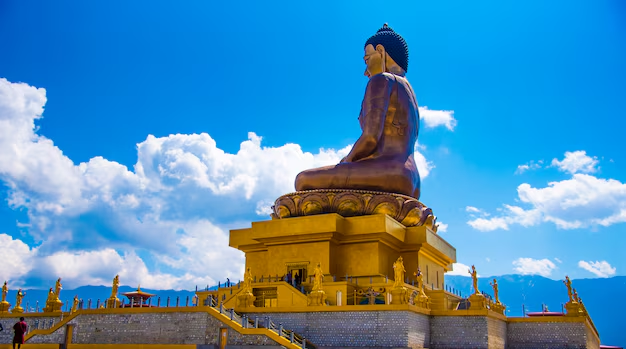
One of the top attractions in Thimphu 2026 is the Buddha Dordenma statue, overlooking the city from the hills. Standing 51.5 meters tall, it is one of the largest sitting Buddha statues in the world and a symbol of peace and compassion.
Completed in 2015, the golden bronze statue is surrounded by 125,000 smaller Buddhas, emphasizing enlightenment. Visitors can enjoy panoramic views of Thimphu and the surrounding mountains, while the serene setting invites reflection and meditation.
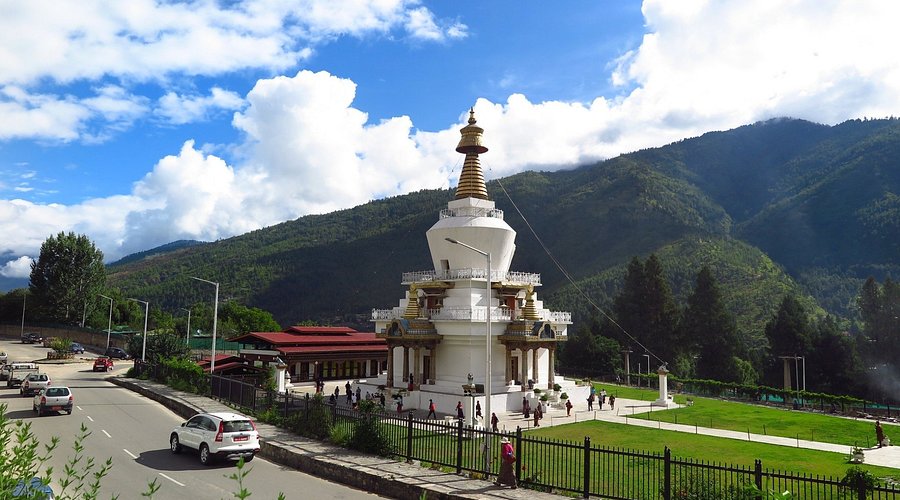
A key site among the top attractions in Thimphu 2026 is the Memorial Chorten, dedicated to His Majesty the 3rd King Jigme Dorji Wangchuck. Completed in 1974, it serves as a center for worship, meditation and reflection, embodying Bhutanese spiritual traditions. The whitewashed stupa, with golden spires and intricate paintings, showcases classic Bhutanese architecture.
Visitors can join locals in daily circumambulations and prayers, experiencing the lively spiritual atmosphere. The Memorial Chorten remains a symbol of peace, compassion, and the enduring cultural values of Thimphu.
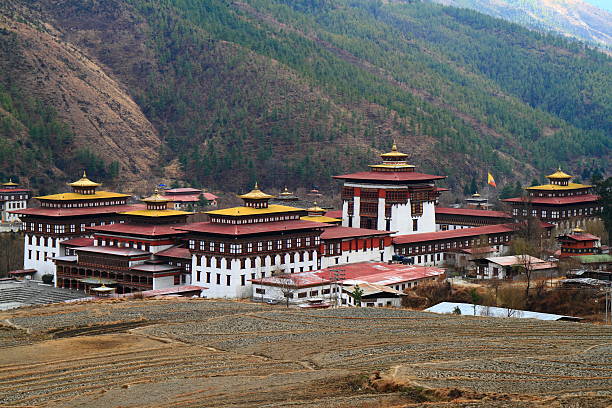
Among the top attractions in Thimphu 2026, Tashichho Dzong stands as a stunning architectural and cultural landmark. Founded in 1641, it serves as the seat of Bhutan’s government and a monastery for monks. The fortress showcases traditional Bhutanese design with whitewashed walls, golden roofs, intricate woodwork and colorful courtyards.
Visitors can admire murals and sculptures depicting Buddhist teachings. During the annual Thimphu Tshechu festival, the dzong comes alive with dances, music and ceremonies, offering an unforgettable cultural experience.

Nestled in the heart of Thimphu, the Centenary Farmer’s Market is one of the attractions in Thimphu that showcases Bhutan’s rich agricultural and cultural heritage. Opened in 2008, the bustling market offers fresh organic fruits, vegetables, and rare local produce.
You can also explore handmade crafts, textiles, and traditional garments. Supporting local farmers and promoting sustainability, the market provides a vibrant and eco-friendly experience for both locals and tourists seeking authentic Bhutanese culture.
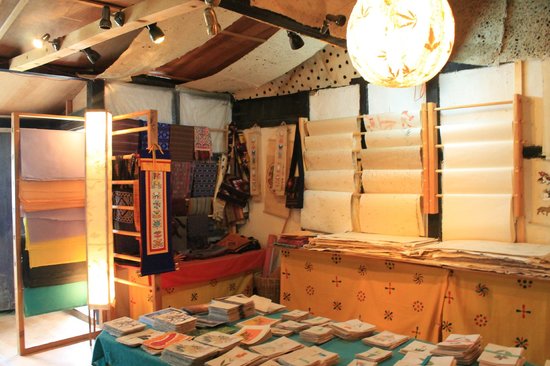
One of the top attractions in Thimphu 2026 is the Jungshi Handmade Paper Factory, which highlights Bhutan’s traditional papermaking craft. Established in 1990, the factory uses sustainably harvested daphne bark to create eco-friendly paper through centuries-old methods. Visitors can watch artisans skillfully produce notebooks, prayer flags, and decorative items, each showcasing intricate designs and vibrant colors. The factory offers an authentic cultural experience, allowing tourists to support local artisans while preserving this unique Bhutanese tradition.
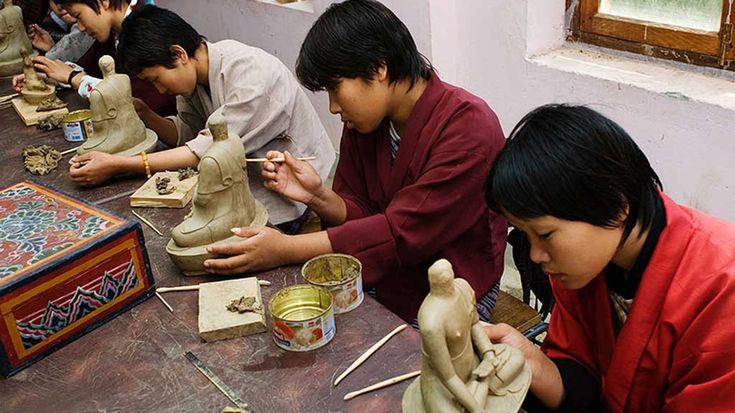
The National Institute for Zorig Chusum is a must-visit attraction in Thimphu, showcasing Bhutan’s 13 traditional arts and crafts. Established in 1999, the institute trains students in painting, sculpture, weaving, and wood carving, preserving centuries-old techniques. Visitors can watch artisans create stunning works using natural materials, reflecting Bhutanese culture and spirituality.
Conveniently located near other city landmarks, the institute provides a fascinating glimpse into Bhutan’s artistic heritage, making it a top destination for those seeking authentic cultural experiences.
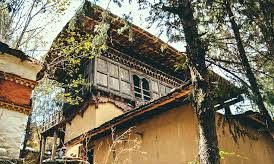
Step into Bhutan’s past at the Folk Heritage Museum, a captivating destination among top attractions in Thimphu 2026. Housed in a restored traditional building, the museum showcases rural life with authentic household items, tools and living spaces.
You can explore kitchens, bedrooms and craft displays, gaining insight into Bhutanese customs and daily practices. The museum’s exhibits reveal how families lived in harmony with nature, making it an immersive and educational stop for tourists eager to understand Bhutan’s cultural roots.
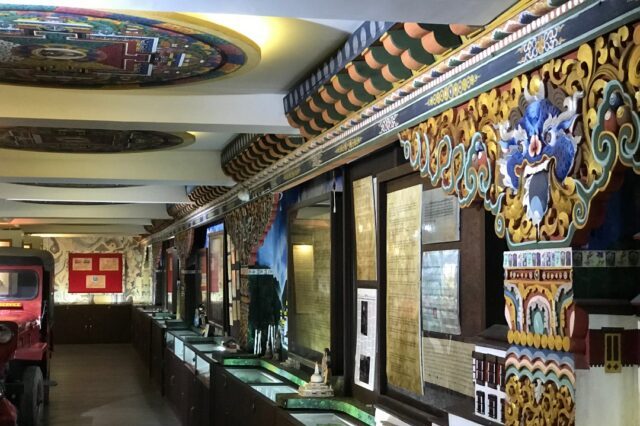
Discover Bhutan’s communication history at the Bhutan Postal Museum, a fascinating attraction in Thimphu. Opened in 2015, the museum showcases historic stamps, letters, postal equipment, and traditional mail vehicles. Visitors can trace the evolution of the postal system, which played a crucial role in connecting communities and promoting cultural exchange.
The exhibits offer a rare glimpse into Bhutan’s modern history, making the museum a unique and engaging destination for those interested in the story behind the nation’s communication network.
The National Library & Archives of Bhutan is one of the city’s most important attractions in Thimphu, preserving Bhutanese literature and historical records. Established in 1967, it houses over 100,000 texts, including religious manuscripts and modern publications in Dzongkha and English.
One can explore rare documents, admire the striking traditional architecture, and reflect in a serene atmosphere. The library offers a unique opportunity to understand Bhutan’s literary heritage, making it an essential stop for scholars and culture enthusiasts visiting Thimphu.
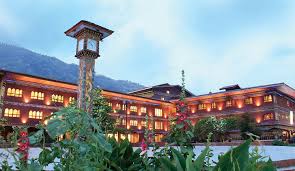
Clock Tower Square is a vibrant hub and one of the top attractions in Thimphu 2026. Surrounded by shops and cafes, the square features a striking clock tower adorned with traditional Bhutanese motifs. The visitors can enjoy local crafts, sample Bhutanese cuisine, and experience live performances and festivals.
Serving as a social and cultural gathering spot, the square captures the city’s lively spirit while offering a perfect place for shopping, dining, and soaking in Thimphu’s charm.
The Ludrong Memorial Garden, a serene oasis in central Thimphu, is a must-visit attraction in Thimphu. Spread over eight acres, the garden features lush lawns, vibrant flowers, walking paths and diverse bird species. Established to honor Her Majesty the Royal Grandmother Kesang Choeden Wangchuck, it offers visitors a peaceful environment for contemplation and relaxation. The garden’s layout, with ornamental plants and open spaces, encourages leisurely strolls, making it an ideal escape from the city’s bustle.
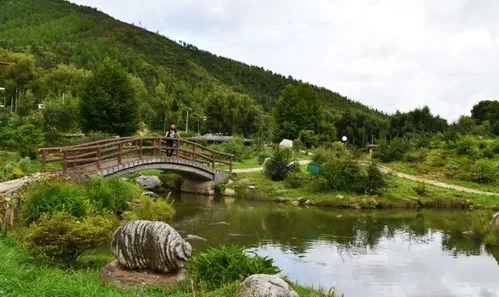
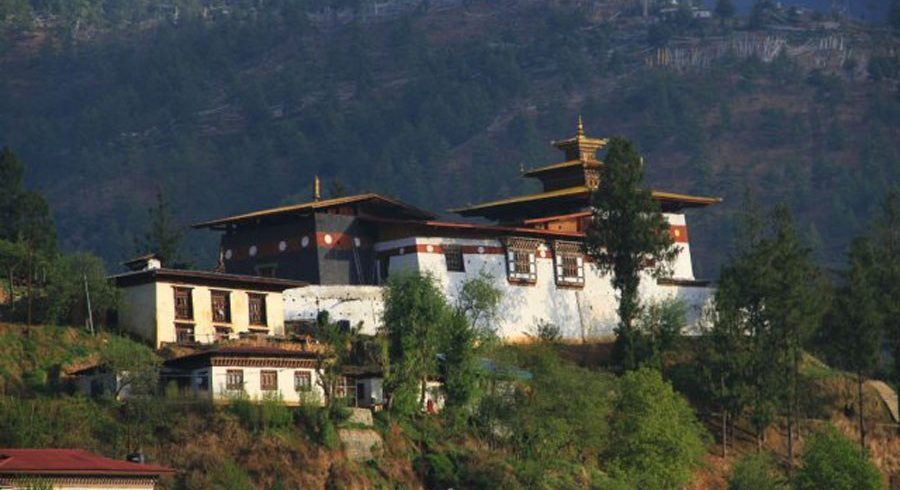
Perched on a hilltop, Changangkha Lhakhang is one of Bhutan’s oldest temples and a revered attraction in Thimphu 2026. Dedicated to Avalokiteshvara, the Buddha of Compassion, the temple is a spiritual center where locals seek blessings, especially for newborns.
The visitors can explore its serene grounds, admire historic architecture, and observe rituals. The Lhakhang offers a tranquil space for meditation and reflection, providing insight into Bhutanese religious life and making it a must-visit for those interested in history, culture, and spirituality.
The Royal Textile Academy in Thimphu is a cultural gem and a leading attraction in Thimphu. Established in 2005, it preserves traditional Bhutanese weaving techniques and showcases vibrant textiles, ceremonial garments, and intricate thangkas. Visitors can explore the gallery to appreciate the skill, patterns, and colors that define Bhutanese craftsmanship. The academy offers an immersive experience for art lovers and cultural enthusiasts, highlighting the nation’s rich heritage while supporting the continuation of these traditional textile arts.
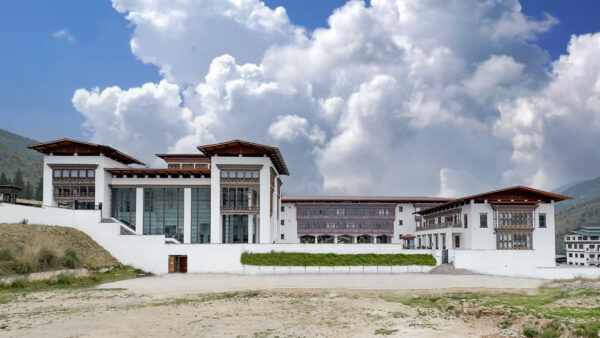
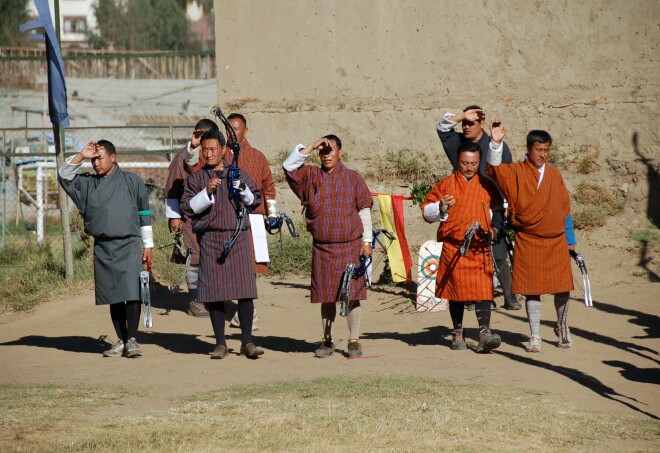
The Changlimithang Archery Ground is a lively attraction in Thimphu 2026, celebrating Bhutan’s national sport. The field hosts traditional archery matches, where skilled archers compete in a festive atmosphere with cheering crowds and songs. Visitors can observe the precision, strategy and cultural rituals involved, gaining insight into this ancient sport.
The grounds also serve as a community hub, hosting festivals and gatherings. Surrounded by natural beauty, it’s a unique destination to experience Bhutanese culture, sport, and social life in one place.
Drubthob Goemba, or Zilukha Nunnery, is a serene attraction in Thimphu offering a glimpse into Bhutanese Buddhist life. Founded in 1976, it houses around 70 nuns who practice daily prayers, meditation, and study. One can observe rituals, interact with residents and enjoy stunning views of the Thimphu valley.
The nunnery’s peaceful atmosphere provides a spiritual retreat and insight into communal life dedicated to mindfulness and learning, making it a compelling stop for those seeking culture, history, and tranquility.

The Takin Preserve is a unique attraction in Thimphu 2026, dedicated to Bhutan’s national animal, the Takin. Covering 8.4 acres, the sanctuary allows visitors to observe this rare species in a natural setting. According to legend, the Takin was created by Lama Drukpa Kinley, combining a cow and goat.
Walking trails through the preserve offer opportunities to spot these animals while enjoying forested landscapes. The site combines wildlife observation with Bhutanese folklore, providing an engaging and educational experience for tourists.
Simtokha Dzong, one of Bhutan’s oldest fortresses, is a prominent attraction in Thimphu. Built in 1629 by Zhabdrung Ngawang Namgyal, it served as a defensive stronghold and monastic center.
Visitors can explore its historic architecture, serene courtyards, and panoramic views of the Thimphu valley. The dzong offers insight into Bhutan’s early military, religious, and administrative history, making it a fascinating stop for travelers interested in heritage, spirituality, and scenic landscapes.
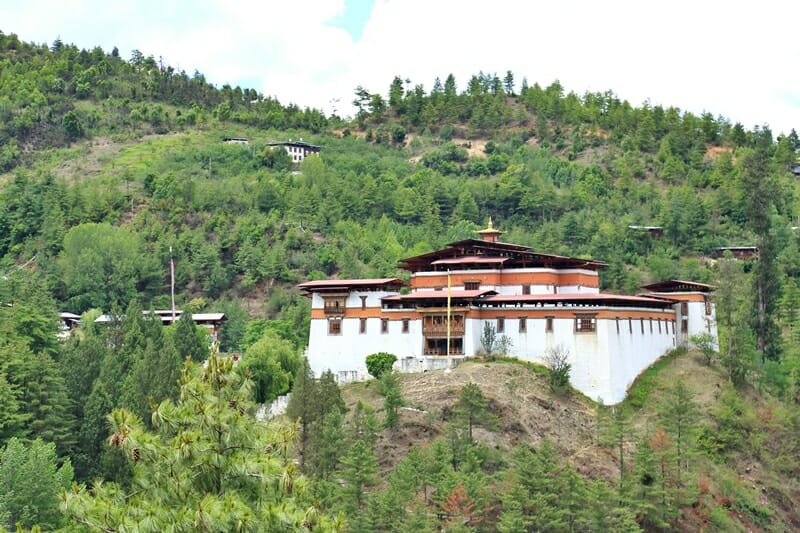
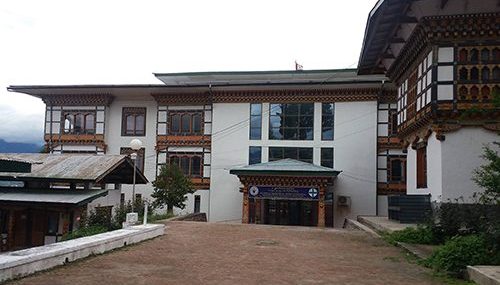
The Institute of Traditional Medical Services in Thimphu preserves Bhutan’s ancient healing system, Sowa Rigpa. Established in 1968, it offers consultations, traditional treatments, and insights into herbal medicine. The institute’s museum showcases medicinal herbs, historical practices, and indigenous therapies. Visitors can learn about Bhutanese medicine, receive guidance on wellness, and experience traditional health practices. This makes it an educational and culturally enriching attraction in Thimphu 2026 for tourists interested in health, history, and heritage.
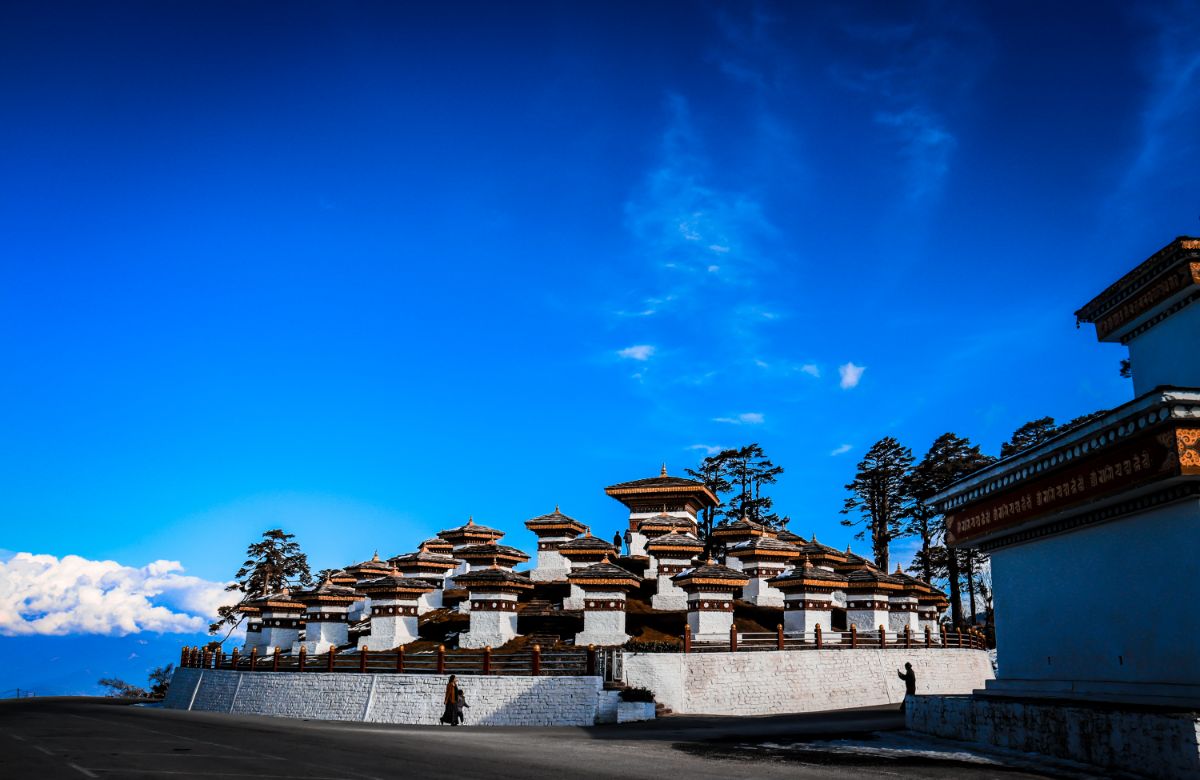
Dochula Pass, 30 km from Thimphu, is a breathtaking attraction in Thimphu offering panoramic Himalayan views. At 3,100 meters, it features 108 memorial chortens built to honor Bhutanese soldiers. Visitors enjoy the serene environment, snow-capped peaks, and photography opportunities. The pass combines natural beauty with cultural significance, making it a peaceful and inspiring destination for travelers seeking scenery, spirituality, and Bhutanese history.
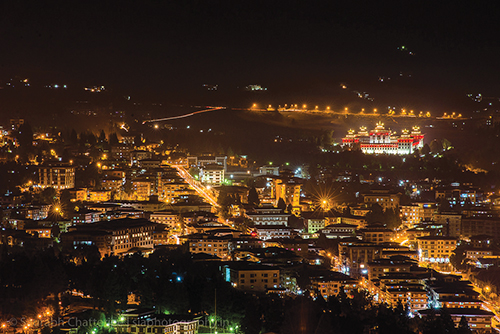
Thimphu’s entertainment hubs are lively attractions in Thimphu 2026, offering music, nightlife, and cultural performances. Venues like Mojo Park and Avenue 29 host local bands, blending traditional Bhutanese tunes with contemporary styles. Visitors can enjoy live shows, sample local cuisine and mingle with locals.
These hubs provide a fun, immersive experience, showcasing Bhutan’s modern culture while celebrating local talent, making them ideal for travelers seeking nightlife, music and cultural exploration.
Minimum stay, maximum experience
Perfect for first-time visitors
Flexible departure dates 2026
Customizable itinerary
Licensed Bhutanese tour operator
Fast visa processing
Personalized itinerary
24/7 WhatsApp support
No hidden costs
Prefer instant Reply? Chat with us on WhatsApp
Most travelers spend 2–3 days exploring the main attractions in Thimphu. This allows enough time to visit monasteries, museums, markets, and do short hiking while enjoying the relaxed atmosphere of Bhutan’s capital.
Thimphu is compact and mostly walkable. Taxis and local guides can help you reach the attractions in Thimphu, including Tashichho Dzong, Changlimithang Archery Ground, and Royal Textile Academy. Guided tours help maximize your visit.
The best time to explore attractions in Thimphu is during spring (March–May) and autumn (September–November) when the weather is clear and ideal for sightseeing and photography.
Yes. The Thimphu Tshechu Festival, held every autumn at Tashichho Dzong, is one of the biggest cultural events in Bhutan. Visitors can watch masked dances, traditional music, and religious ceremonies.
Yes. Thimphu has many hotels ranging from luxury to boutique and budget options. Many are located near major tourist attractions, making it easy to explore the city.
Yes. Most Bhutan itineraries combine Paro sightseeing and Thimphu sightseeing in the same trip. Travelers usually start in Paro, visit Tiger’s Nest Monastery, and then drive about one hour to explore the tourist attractions in Thimphu.
Thimphu is a unique blend of modern life and traditional Bhutanese culture, where monasteries, markets, museums, and cultural landmarks exist side by side. As Bhutan’s capital, it is one of the best places to visit in Bhutan, featuring several top attractions in Thimphu 2026 that reflect the country’s rich heritage.
Yes, all tourists are required to book their trip through a local tour operator to visit Bhutan, except for citizens of India, Bangladesh and the Maldives. This is a mandatory step to obtain a visa. The tour operator must be certified by the Tourism Council of Bhutan (TCB). Bhutan Mystical is a trusted, TCB-certified tour operator in the country.
The visa fee for Bhutan is USD 40 per person per trip. This fee is applicable to all nationalities, except for citizens of India, who do not require a visa to visit Bhutan.
Bhutan Mystical will book and ticket your flights to and from Paro with Drukair (Royal Bhutan Airlines) or Bhutan Airlines. As your tour operator, we will manage all aspects of your Paro flights, including notifying you of any changes to flight schedules. Since flight timings can change at short notice, we will keep you informed.
