Yaktsa Trek 2026, also known as the Jomolhari Base Camp Trek, is one of Bhutan’s most scenic and rewarding high-altitude adventures. The trek lasts 7 days, covering about 96 kilometers and reaches a maximum elevation of 4,890 meters. It is considered a strenuous trek, ideal for those seeking a true Himalayan challenge. Apart from the trek, travelers can explore famous landmarks like Tiger’s Nest, the Statue of Buddha Dordenma, National Memorial Chorten and Punakha Dzong. Each site reflects Bhutan’s deep spiritual heritage and stunning architecture, adding a perfect cultural balance to this epic Himalayan adventure.
Important Landmarks: Explore Bhutan’s rich history through its grand dzongs, sacred monasteries, and ancient temples, which are architectural marvels and spiritual hubs.
Museums and government institutions: Visit Bhutan’s informative museums and government institutions to gain insights into the nation’s history, culture, and governance.
Cultural immersion: Experience Bhutanese life firsthand by engaging with local people and participating in their customs and traditions, gaining a warm and authentic cultural immersion.
Hiking adventures: On the Yaktsa Trek 2026, hikers not only experience challenging high-altitude trails but also have the chance to visit iconic landmarks, including the famous Tiger’s Nest.
Nature of the Trip | Private & Guided Tour in Bhutan
Day 01. Arrival at Paro & Sightseeing (Elevation: 2280m)
Day 02. Paro: Hike to Tiger’s Nest – Shana (Elevation:2280m | 7Km | Hike: 2hrs)
Day 03. Shana [Start of Yaktsa Trek] – Thang Thangka (Elevation: 3610m | 22Km | Hike: 7 – 8 hrs)
Day 04. Thang Thanka – Jangothang (Elevation: 4080m | 19Km | Hike: 5 – 6 hrs)
Day 05. Jangothang (Halt) (Elevation: 4080m)
Day 06. Jangothang – Dhumzo (Elevation: 4890m | 16Km | Hike: 7 – 8 hrs)
Day 07. Dhumzo – Thombushong (Elevation: 4550m | 14Km | Hike: 5 – 6 hrs)
Day 08. Thombushong – Zankepang (Elevation: 4300m | 18Km | 7 – 8 hrs)
Day 09. Zankepang – Drugyal dzong [End of Yaktsa Trek] – Thimphu (Elevation: 2320m | 7Km | Hike: 2 hrs. + Drive: 70Km)
Day 10. Thimphu Sightseeing (Elevation: 2320m)
Day 11. Thimphu – Punakha Sightseeing – Thimphu (Elevation:1200m | 76Km | Drive: 3 hrs)
Day 12. Thimphu – Paro Departure
You will be received by our representative from Bhutan Mystical Tour at the airport and drive to your hotel.
Visit Rimpung Dzong (fortress) also known as “Heap of Jewel” built in the year of 1646 the Centre of administrative and religious authority in this valley.
Next, visit Ta Dzong built in 1656 and renovated in 1968, an ancient watchtower, which now has been converted as the National Museum.
Overnight in Paro
Dedicate your second day to a delightful excursion to the Tiger’s Nest, also known as Taktsang Monastery. Reaching Takshang Monastery is as much an adventure as the destination itself. The trail to the monastery is approximately 6 kilometers round trip, with a steep ascent that can take anywhere from 2 to 4 hours, depending on one’s pace and physical condition.
On returning to the base, a Bhutanese cuisine experience in the woods is a celebration of both food and nature. It offers a unique way to engage with Bhutan’s rich culinary traditions while surrounded by the tranquility and beauty of the natural world.
Later visit a to Drugyal Dzong built in 1647 as a defense post by Zhabdrung Ngawang Namgyal.
In the evening, drive to Shana which is the starting point of the trek.
Overnight in camp
Start: Shana
Walking Distance: 22 km
Walking Time: 7 – 8 Hours
Elevation: 3,610m [Ascent: 770m/Descent: 10m]
End: Thang Thangka
Overnight in camp
Start: Thang Thangka
Walking Distance: 19 km
Walking Time: 5 – 6 Hours
Elevation: 4,080m [Ascent: 480m]
Highlight of the day: Yak herder’s camp & old ruined Dzong
End: Jangothang
Overnight in camp
Rest day at Jangothang, enjoy the superb view all around. For a day hikes, you have 3 options on this day at Jangothang.
Overnight in camp
Start: Jangothang
Walking Distance: 16 km
Walking Time: 7 – 8 Hours
Elevation: 4,890m
Highlight of the day: Yak herder’s camp & cross Tsho Phu lake. See flocks of Himalayan blue sheep.
End: Dhumzo
Overnight in camp
Start: Dhumzo
Walking Distance: 14 km
Walking Time: 5 – 6 Hours
Elevation: 4,550m
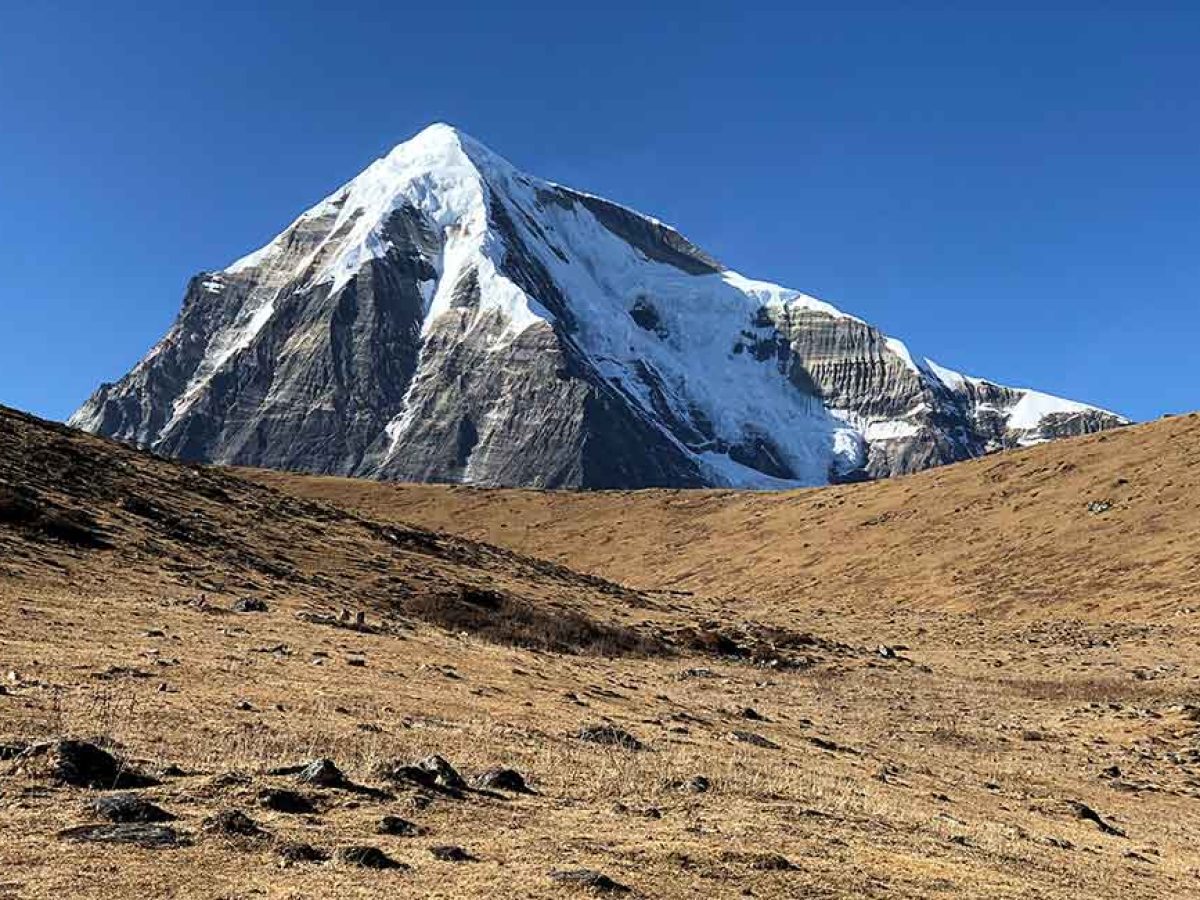
Highlight of the day: View of mount Jomolhari & see Takins, the national animal of Bhutan.
End: Thombushong
Overnight in camp
Start: Thombushong
Walking Distance: 18 km
Walking Time: 7 – 8 Hours
Elevation: 4,300m
Highlight of the day: View several mountain peaks, closest being mount Jo Drake (5980m).
End: Zankepang
Overnight in camp
Start: Zankepang
Walking Distance: 7 km
Walking Time: 2 Hours
Elevation: 2,380m
End: Drugyal Dzong
Our vehicle will pick you up and drive to Thimphu. In the evening, stroll in the town for shopping and photography.
Overnight in Thimphu
Today the day begins with a visit to kuensel Phodrang where sits a massive sized Statue of Buddha Dordenma. From this point you will be able to view the entire scene of the capital city.
Next, visit National Memorial Chorten, a monument dedicated to the Third King of Bhutan.
Later drive uphill to the National Zoo which where the Takins, Bhutan’s national animal is preserved.
While returning, you may visit to Dupthop Lhakhang which is known to be one of the few surviving nunneries in Bhutan.
Visit the National Library to see a vast collection of ancient texts and scriptures. The library is a treasure trove for those interested in Bhutanese history and culture.
Explore National institute for Zorig Choesum (13 traditional arts) the painting School is on your next list. Bhutanese tradition has been preserved through painting and sculptures. Thangkas, the sacred Buddhist religious scrolls are either painted or embroidered on a piece of high-quality fabrics.
Walk for a minute to Folk Heritage Museum which offers visitors the Bhutanese folk heritage and craftsmanship of Bhutan’s rural past.
Drive to National Postal Museum, which is worth a visit for you can get your own picture on Bhutanese stamp right then and there. Get a photo clicked then and there or give a photo of your dear ones and you will get personalized stamps in 5 minutes.
Shopping at Centenary Farmers Market if you’re there on a weekend, this bustling market is a great place to experience local life and shop for handicrafts, fresh produce, and souvenirs.
Overnight in Thimphu
Take a scenic drive to Punakha. En route, stop at the Dochula Pass (3116m) for panoramic views of the magnificent range of the Higher Himalayas.
Visit Royal Botanical Park, at Lamperi, located half hour drive towards Punakha.
On reaching Punakha, take a short hike to Chimi Lhakhang, which was built by Lama Drukpa Kuenley also known as “The Divine Madman”, in the year 1499. The Temple is also known as “the Temple of Fertility”.
Visit Punakha Dzong built in 1637 by Zhabdrung Ngawang Namgyal and is situated at the confluence of the Pho Chu (Male River) and the Mo Chu (Female River). For many years until the time of the second king, it served as the seat of the Government. War materials captured during the various battles with Tibetans are preserved here. Punakha served as a capital of Bhutan till the year of 1955.
In the evening, walk across the longest suspension bridge in Bhutan (160 m). The bridge is the longest of its kind and connects the two sides of the Pho chu river. You will get a great view of the river, valley, temple, and a good boost of adrenaline as well.
Return to Paro in the evening.
Overnight in Thimphu
The cost listed below includes the Sustainable Development Fee (SDF) of US $100 per person per night and the Bhutan visa fee of US $40 per person. Please note that entrance fees for museums, monuments and festival visits are not included and must be paid directly at the respective sites.
US $ 4715 per person
Comfortable Trekking Boots: Invest in waterproof, breathable boots with good ankle support for the rugged trails of Yaktsa Trek Bhutan.
Sleeping Bag: Lightweight, insulated sleeping bags are essential for cold nights at high altitudes.
Layered Clothing: Use moisture-wicking base layers, insulating mid-layers, and a waterproof outer shell to adapt to Bhutan’s changing weather.
Durable Backpack: A trekking backpack with adjustable straps, hip belt, and multiple compartments keeps your gear organized and comfortable.
Hydration System: Stay hydrated with a water bladder or reusable bottle with a filter—important for Yaktsa Trek 2026.
Trekking Poles: Lightweight, adjustable poles with shock absorption improve stability and reduce joint strain.
First Aid Kit & Medicines: Carry essentials like bandages, antiseptic wipes, pain relievers, and personal medications.
Portable Power Bank: Keep devices charged with a lightweight, high-capacity power bank.
Sun Protection Gear: Bring a wide-brimmed hat, UV-blocking sunglasses, and high-SPF sunscreen for high-altitude sun exposure.
The optimal seasons for the Yaktsa Trek 2026 are spring (March to May) and autumn (September to early December). During these months, the weather is generally stable, offering clear skies and moderate temperatures, ideal for trekking
The Yaktsa Trek is strenuous, with high-altitude climbs up to 4,890 m and long daily hikes, suitable for trekkers with good fitness and prior trekking experience.
During the Jomolhari Base Camp Trek, you’ll be supported by a professional guide, a cook and a horseman to ensure a smooth and enjoyable trekking experience.
Discounts may be available depending on the number of participants. Contact us for personalized pricing.
Bhutan Mystical will book and ticket your flights to and from Paro with Drukair (Royal Bhutan Airlines) or Bhutan Airlines. As your tour operator, we will manage all aspects of your Paro flights, including notifying you of any changes to flight schedules. Since flight timings can change at short notice, we will keep you informed. For more information, visit
