
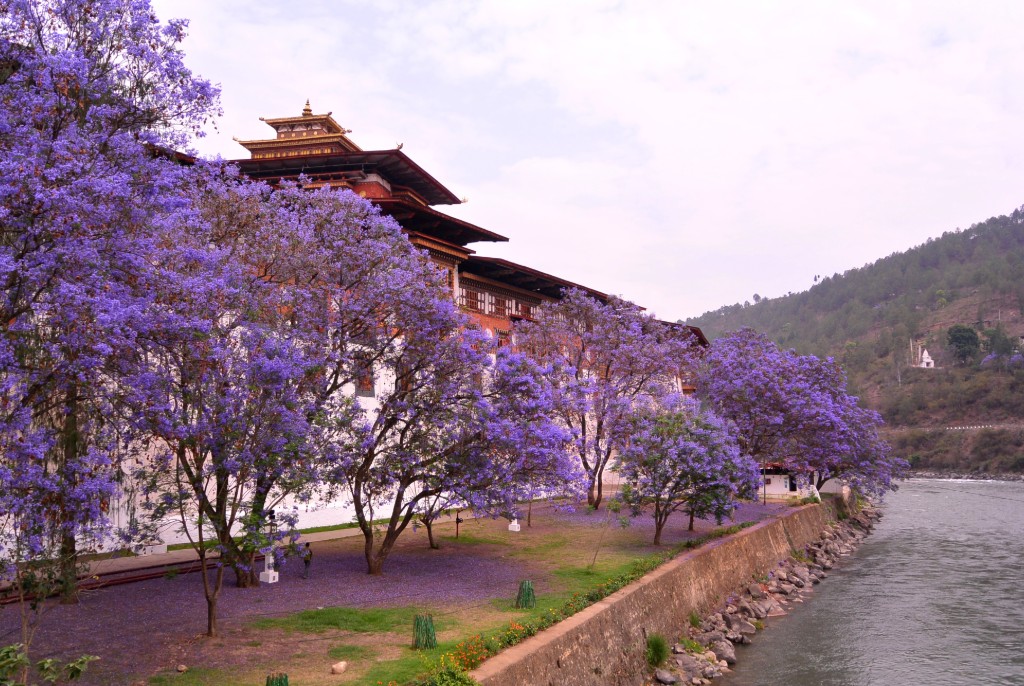
All About Bhutan - The land of Thunder Dragon
Where is Bhutan?
Bhutan, a small kingdom in the Eastern Himalayas, captivates visitors with its stunning landscapes, rich heritage and deep spirituality. Known as the Land of the Thunder Dragon, the country borders China to the north and India on three sides. Instead of measuring success through GDP, the country follows Gross National Happiness (GNH), a philosophy that values well-being, cultural integrity, and environmental harmony. Travelers find here a unique blend of peace, adventure, and authenticity.
Language
The official language of Bhutan is Dzongkha, which originates from Tibetan. It’s used in government, education, and religion. While rural regions have their own dialects, English is widely spoken in schools and cities, making it easy for travelers to communicate.
Population – Bhutan General Information
As of 2023, the country’s population was around 787,000. The major ethnic groups include the Ngalops, Sharchops, and Lhotshampas. Most people live in the central and western valleys. With low birth rates and moderate migration, the country maintains slow but stable population growth.
Time Zone
Bhutan follows Bhutan Standard Time (BST), which is UTC +6:00. The country doesn’t observe daylight saving time, keeping time consistent all year. Interestingly, it runs 30 minutes ahead of India.
Currency
The national currency is the Bhutanese Ngultrum (BTN), pegged to the Indian Rupee. Both currencies are accepted across the country. Banknotes and coins display Bhutan’s kings, religious symbols, and scenic landscapes — reflections of national pride. (1 USD ≈ BTN 80)
Capital
Thimphu, the capital of Bhutan, sits along the Wang Chhu River. It serves as the nation’s political, economic, and cultural center, a place where traditional charm meets modern development.
National Dress – Bhutan Culture and Traditions
Bhutan’s traditional attire defines its cultural identity. Men wear the Gho, a knee-length robe tied at the waist, while women wear the Kira, a full-length dress paired with a short jacket called Toego. These garments represent respect for heritage and remain part of daily life across the country.
National Flower
The Blue Poppy, country’s national flower, grows in the high Himalayan meadows. Its rare blue petals symbolize purity, peace, and the untouched beauty of nation’s pristine landscapes.
National Tree
The Cypress (Cupressus cashmeriana) tree represents strength, simplicity, and spiritual resilience in Bhutanese culture. Found near temples and monasteries, it symbolizes long life and stands tall even in harsh mountain conditions.
National Animal
The country’s national animal, the Takin (Budorcas taxicolor), is a rare mountain species that looks part goat and part cow. It thrives in the rugged Himalayas and represents the mysterious and untamed nature of this kingdom.
National Sport – Facts about Bhutan
Archery is the national sport, and it forms a vital part of its festivals. It showcases precision, teamwork, and joy. Locals also enjoy Khuru, a dart-like game, while modern sports like football and basketball are becoming increasingly popular.
Cuisine
Bhutanese cuisine is flavorful, spicy, and unique. The national dish, Ema Datshi (chilies with cheese), is a must-try. Meals often include red rice, seasonal vegetables, and Suja (butter tea). Here the chilies are not condiments, they’re part of daily meals and culture.
Gross National Happiness
The concept of Gross National Happiness defines Bhutan’s path to development. It balances four pillars: sustainable growth, cultural preservation, environmental protection, and good governance. This vision has made the country a symbol of harmony and mindful living.
Festivals – Bhutan Tourism Attractions
Colorful Tshechu festivals are among Bhutan’s top tourism highlights. Locals gather in monasteries and dzongs to watch sacred mask dances, listen to music, and receive blessings. These festivals offer travelers a deep connection to the nation’s spirituality and communal joy. For more information, visit Department of Tourism.
Ecotourism
Bhutan follows a “High Value, Low Impact” tourism policy to protect its culture and nature. The government carefully manages visitor numbers to ensure tourism benefits local communities while preserving the environment. This makes us one of the world’s most sustainable travel destinations.
Conclusion
Exploring All About Bhutan reveals more than a destination — it’s an experience of balance, happiness, and cultural depth. From sacred monasteries and vibrant festivals to breathtaking landscapes, The country remains a timeless symbol of peace and sustainability.
Related Topics on Bhutan Travel Information

Comment (0)